
Exterior checks
The check cards around the car and under the bonnet: the instruction, a hint on how to do it, the photos, then the question. Tap a question to see the answer.
-
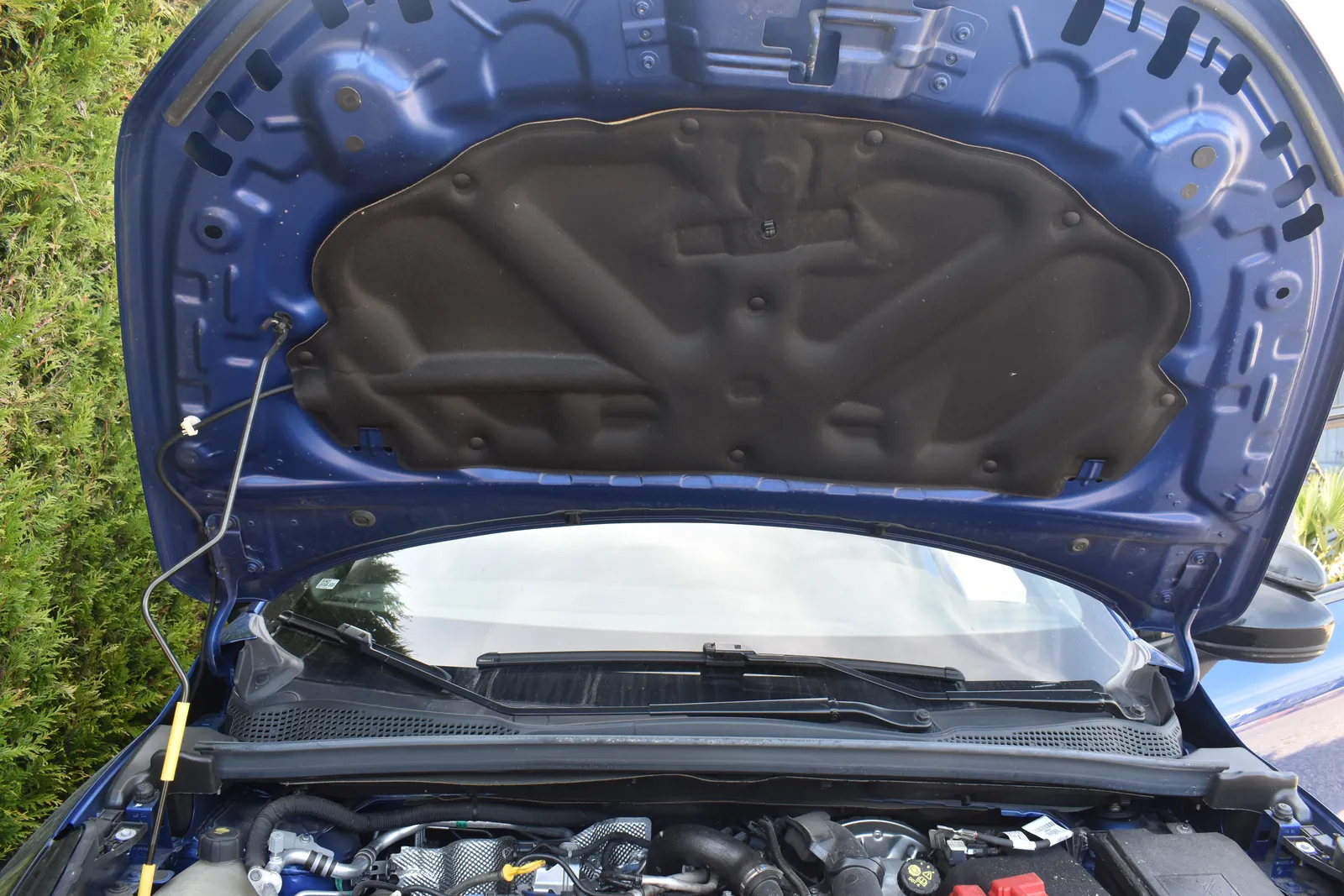
Card 02
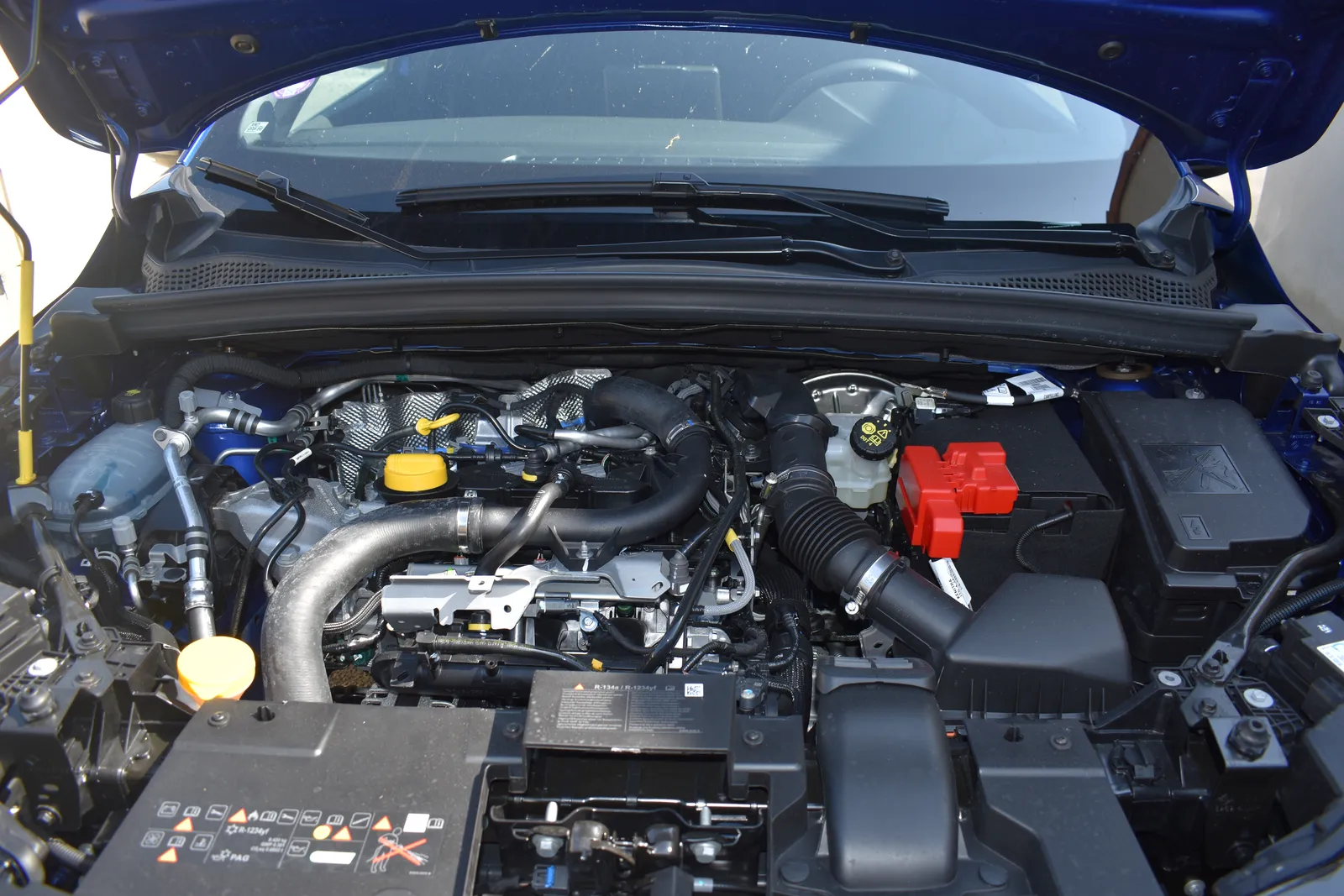
Show where the screenwash is filled.
The candidate opens the bonnet and shows the reservoir. If the candidate has trouble opening the bonnet, the accompanying person may show how to do it.
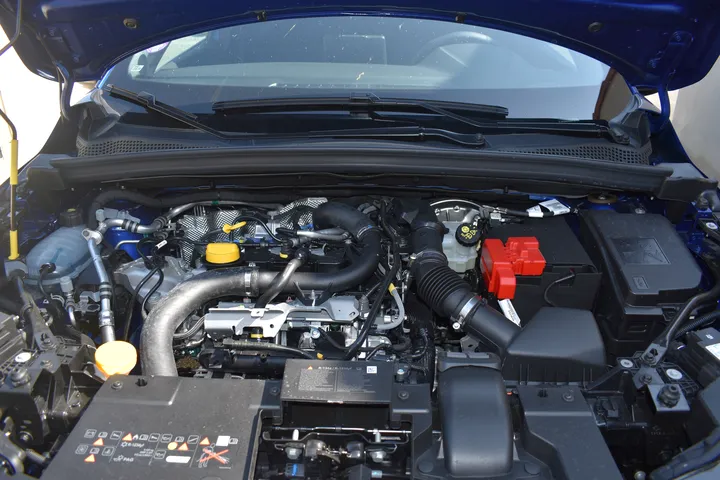
Card 02 – The engine bay with the bonnet open Question Why is a special fluid better in winter?
AnswerSo that the fluid does not freeze.
-
Card 04 and 68
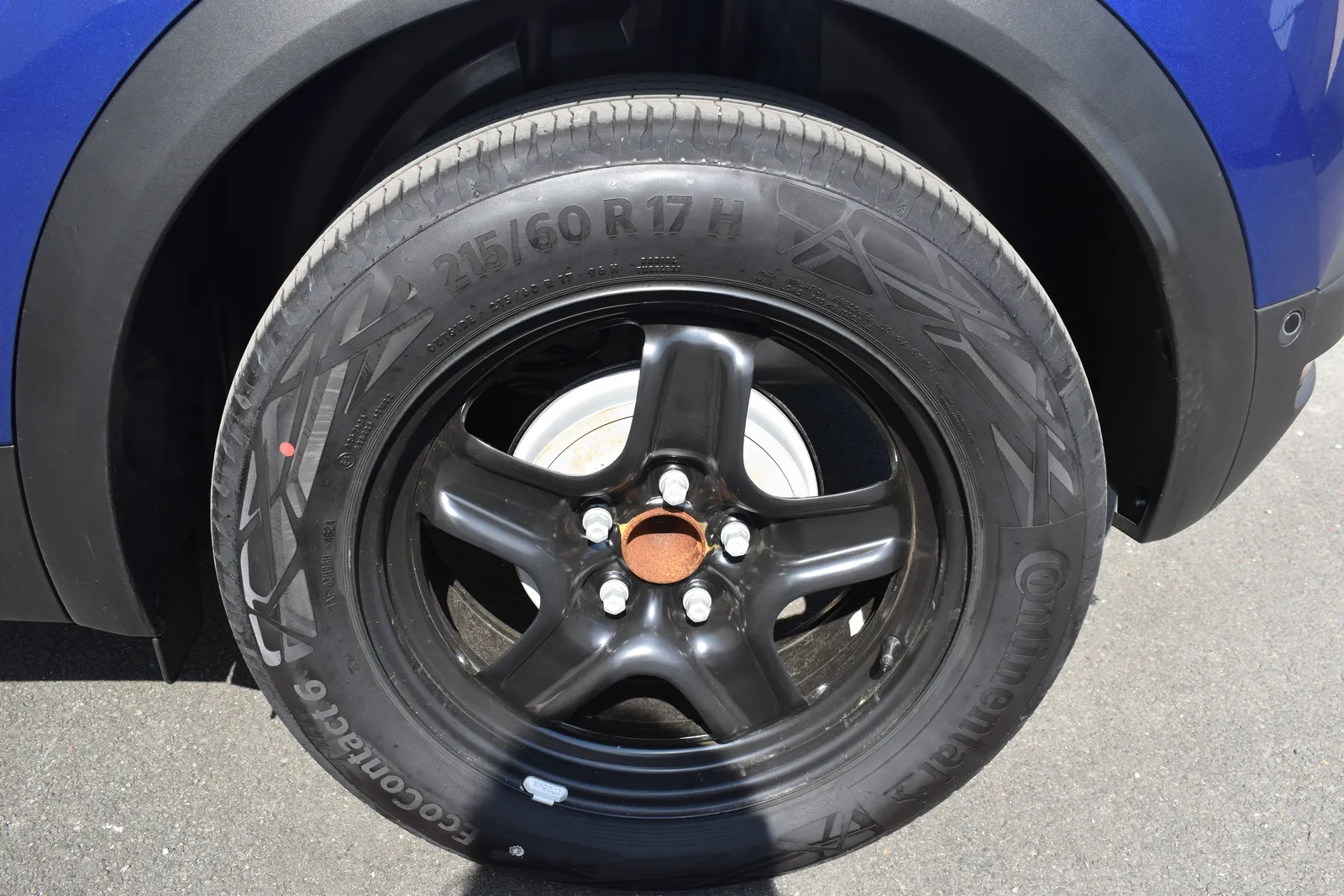
Check the condition of the sidewall of one tyre.
Get out of the car and check that the sidewall is in good condition. Say that it has no bulge and no tear.
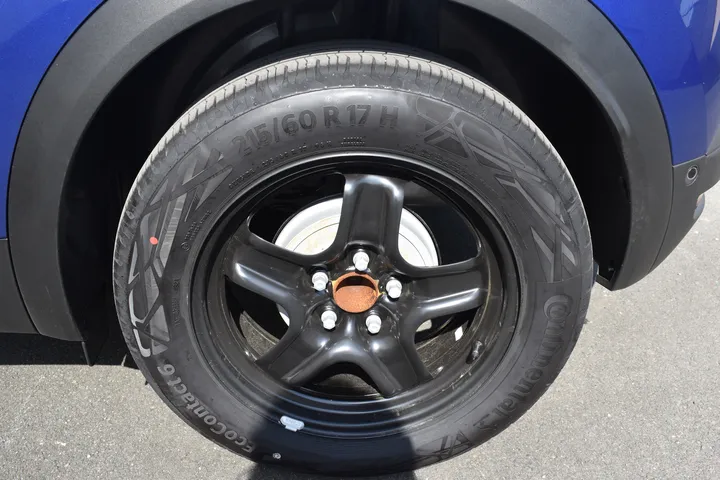
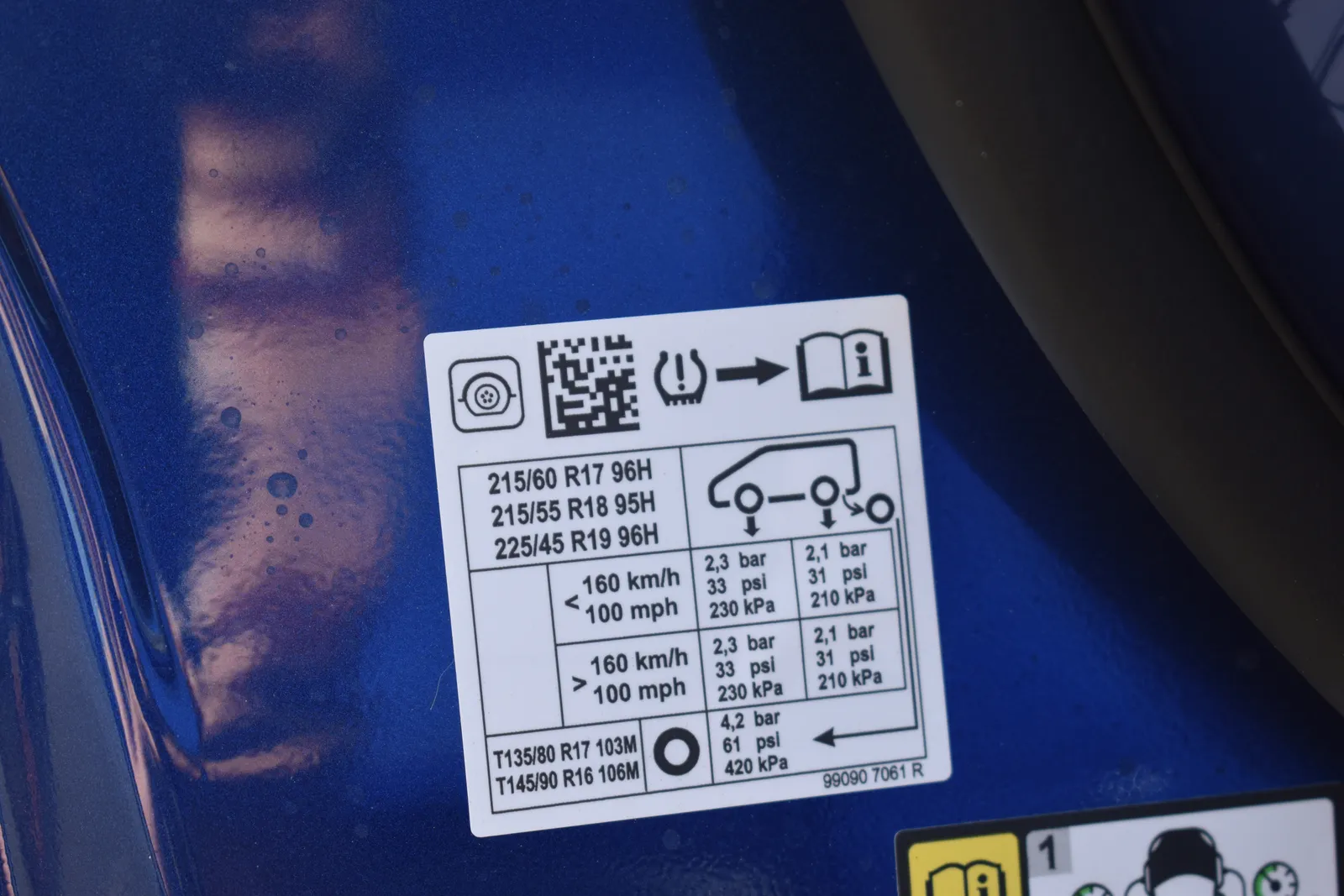
Card 04 and 68 – The sidewall of a front tyre Question Name one place where the recommended tyre pressures are given.
AnswerThey are given:
- on a plate on a door;
- in the vehicle handbook;
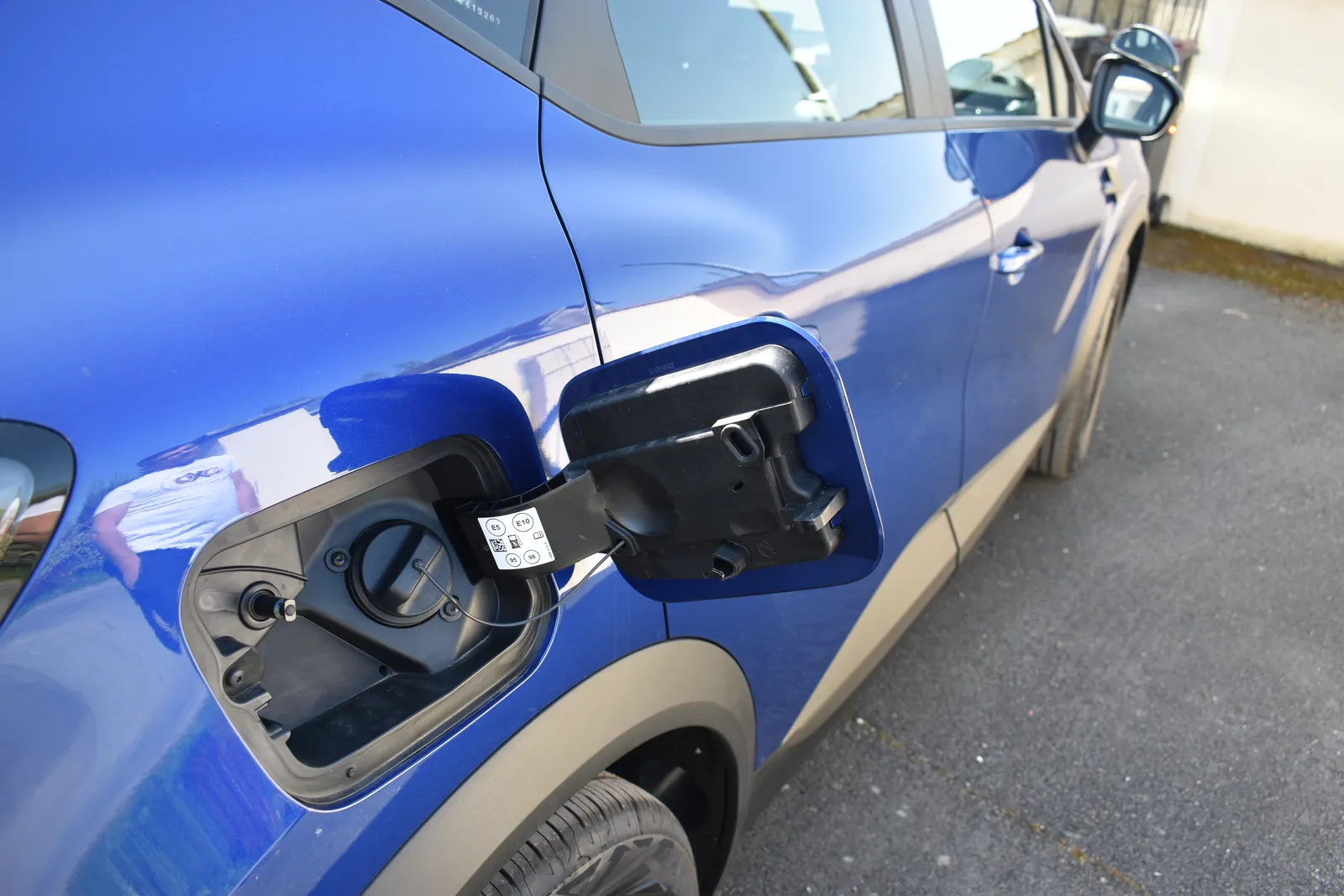
- by the fuel filler flap.
-
Card 06
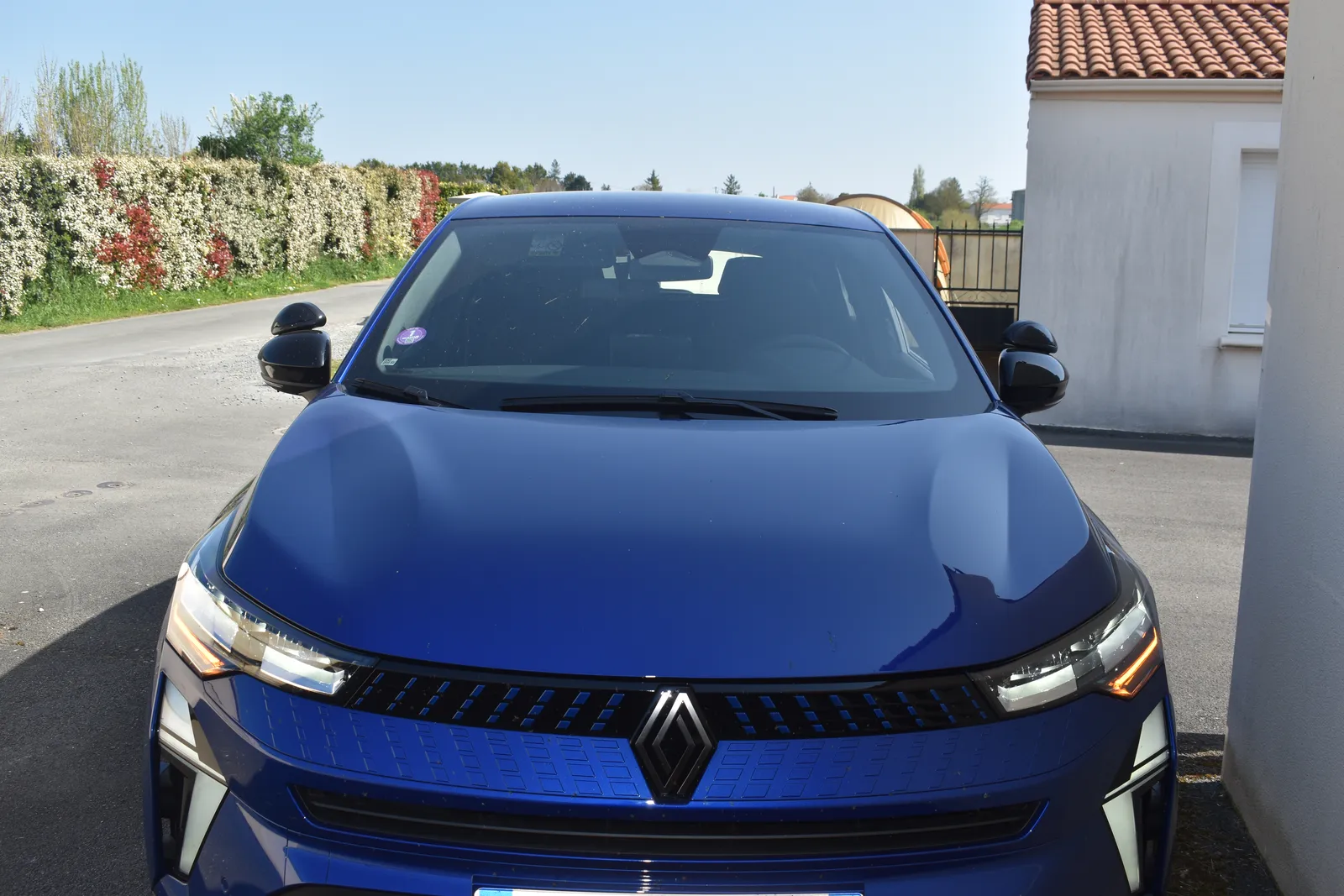
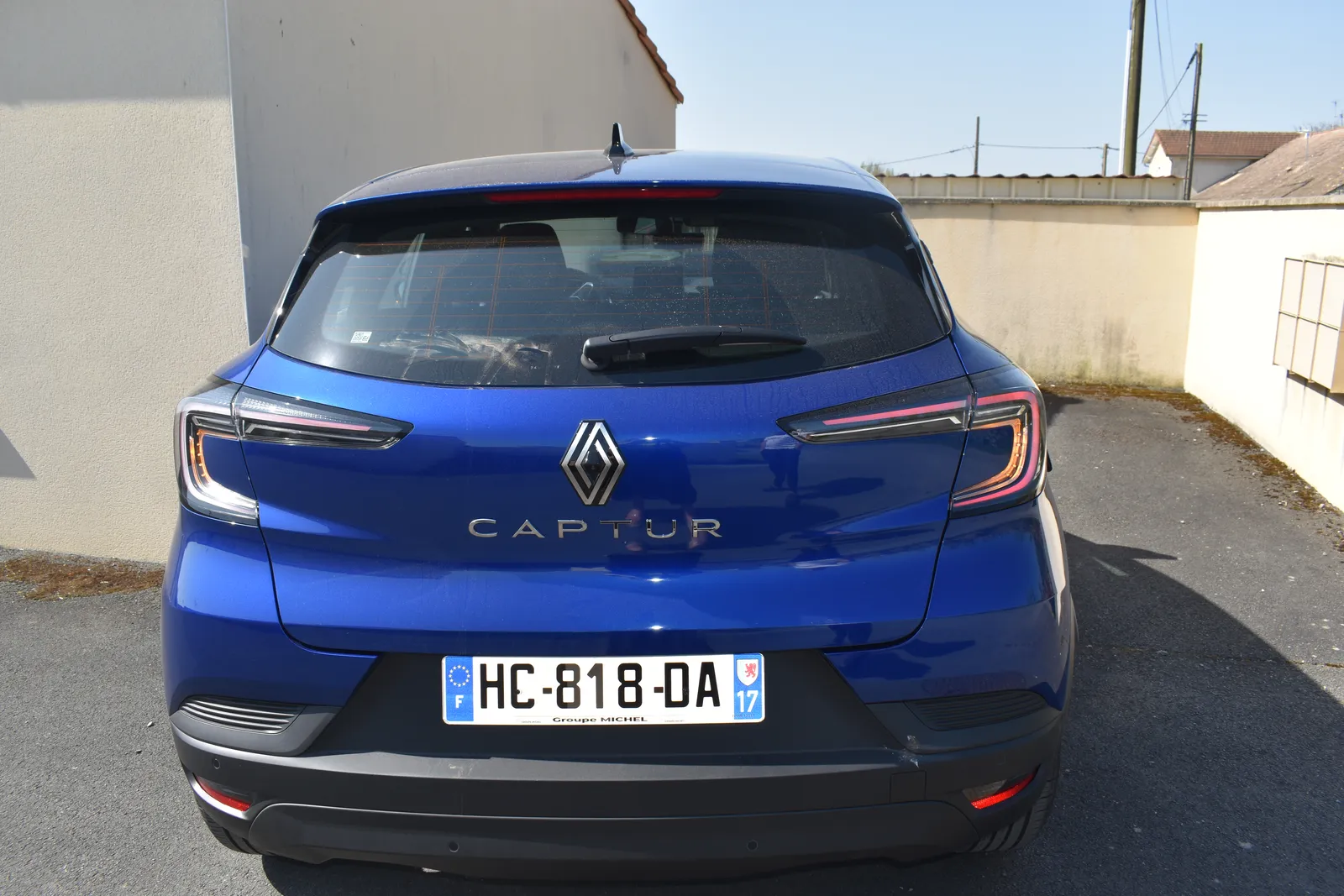
Check that the number plates are clean and in good condition.
Get out of the car to check the front and rear plates. Say that they must be clean and in good condition. Report any fault you see.
Question What precautions must you take when fitting a bike rack?
AnswerThe number plate and the lights must remain visible.
-
Card 08 and 70
Show where the brake fluid level is checked. If the candidate has trouble opening the bonnet, the accompanying person may show how to do it.
Open the bonnet and show where the brake fluid is. Say that the level can be seen through the reservoir and must be at the maximum mark.
Card 08 and 70 – The engine bay with the bonnet open Question What happens if the brake fluid level is too low?
AnswerThe brakes become less effective.
-
Card 10
Check the condition of all the wiper blades.
Get out of the car and lift all the blades, front and rear, to look at them. Say that they are in good condition.
Question What is the risk of driving with faulty wiper blades?
AnswerPoor visibility in bad weather.
-
Card 12 and 72
Show where the coolant is filled.
The candidate opens the bonnet and shows the reservoir. If the candidate has trouble opening the bonnet, the accompanying person may show how to do it.
Card 12 and 72 – The engine bay with the bonnet open Question What is the danger of topping up the coolant while the engine is hot?
AnswerA risk of burns.
-
Card 14 and 74
Check that all the indicators on the pavement side are clean and working.
Leave the engine running, switch on the indicators, get out of the car and say that they are clean, in good condition and working (any fault must be reported).
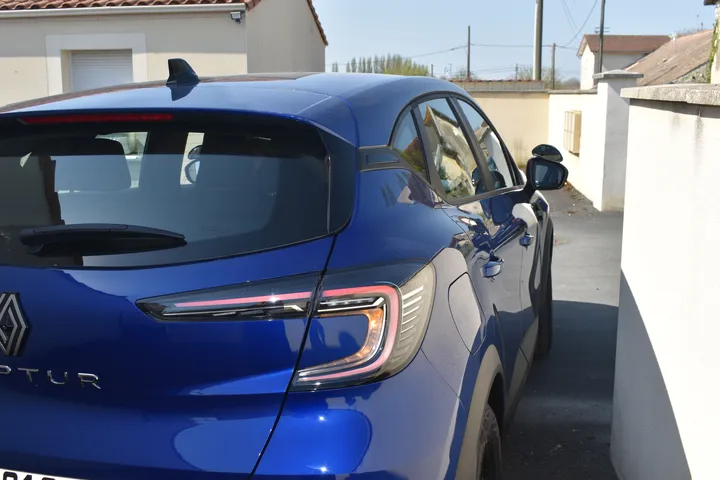
Card 14 and 74 – The indicators on the pavement side 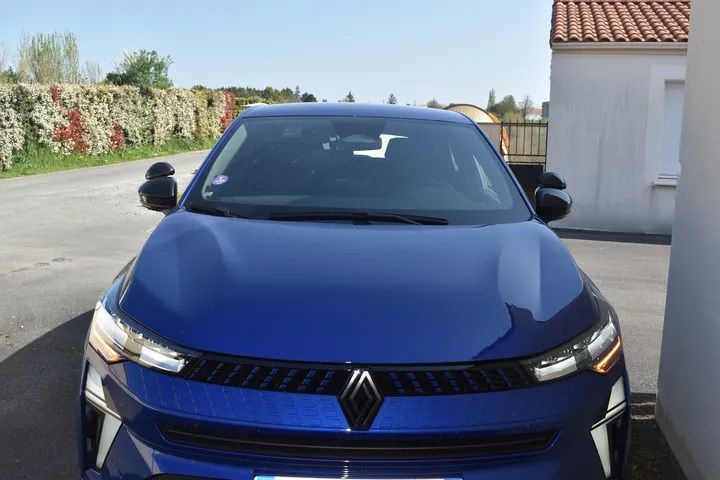
Card 14 and 74 – The indicators on the pavement side Question What does a faster flashing mean?
AnswerOne of the bulbs is not working.
-
Card 16
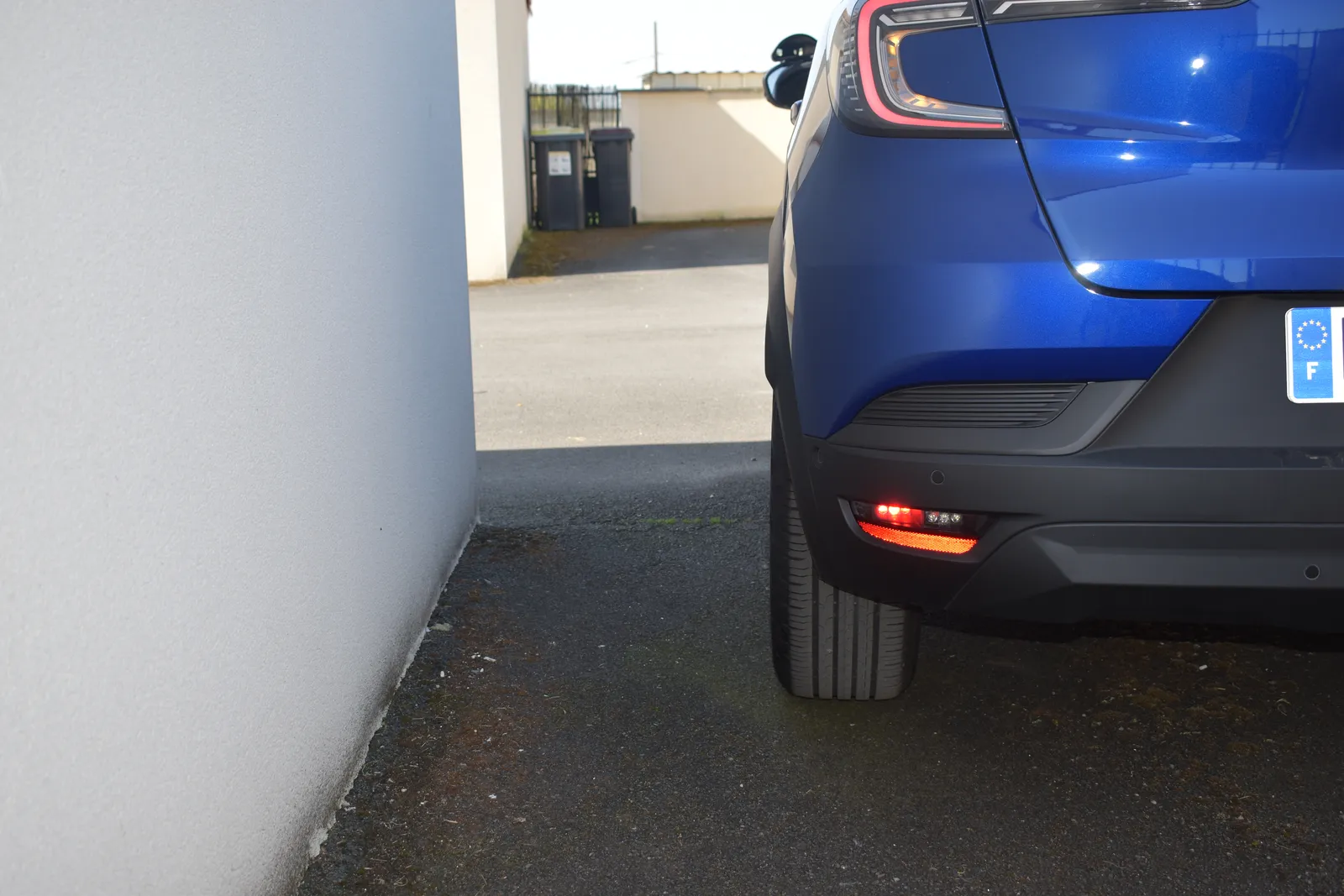
Check that the rear fog light(s) are clean and working.
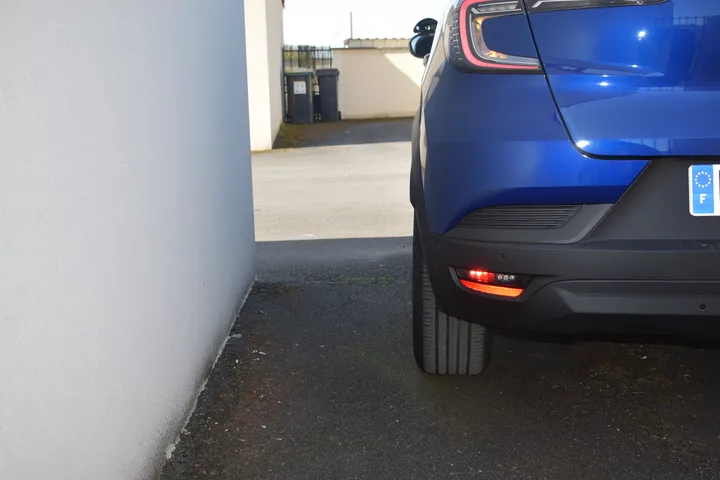
Card 16 – The rear fog light Question When do you use them?
AnswerIn fog or snow.
-
Card 18 and 76
Check that the front and rear hazard warning lights are clean and working.
Leave the engine running, switch on the hazard warning lights, get out of the car and say that they are clean, in good condition and working (any fault must be reported).
Question When do you use them?
AnswerIn a breakdown, an accident or a sudden heavy slowdown.
-
Card 20 and 78
Check that the main beam headlights are clean and working.
Leave the engine running, switch on the main beam, get out of the car and say that they are clean, in good condition and working (any fault must be reported).
Question Name one use of flashing your headlights.
Answer- In case of danger.
- To warn others that you are coming.
- Instead of the horn.
-
Card 22 and 80
Show where the engine oil level is checked. If the candidate has trouble opening the bonnet, the accompanying person may show how to do it.
Open the bonnet and show the dipstick; you do not have to handle it.
Card 22 and 80 – The engine bay with the bonnet open Question What is the main risk of too little engine oil?
AnswerDamage to the engine, or engine failure.
-
Card 24
Show where the car battery is.
Open the bonnet and show the battery; you do not have to handle it.
Card 24 – The engine bay with the bonnet open Question With a flat battery, how can you start the car without moving it?
AnswerConnect a second battery, (+) to (+) and (-) to (-), or replace the battery.
-
Card 26 and 82
Check that the dipped headlights are clean and working.
Leave the engine running, switch on the dipped headlights, get out of the car and say that they are clean, in good condition and working (any fault must be reported).
Question What are the consequences of badly adjusted headlights?
AnswerPoor vision ahead and a risk of dazzling other road users.
-
Card 28
Check that the reflectors are clean and in good condition.
Check the reflectors and say that they are clean and in good condition (any fault must be reported).
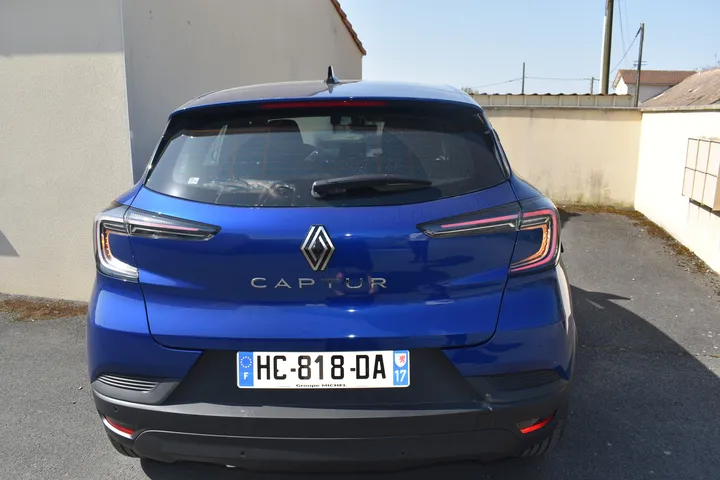
Card 28 – The rear of the car with its reflectors Question What are reflectors for?
AnswerTo make the car visible at night.
-
Card 30
Check that the front and rear side lights are clean and working.
Check the side lights and say that they are clean and working (any fault must be reported).
Question In clear weather, from how far away must they be visible?
Answer150 metres.
-
Card 32 and 84
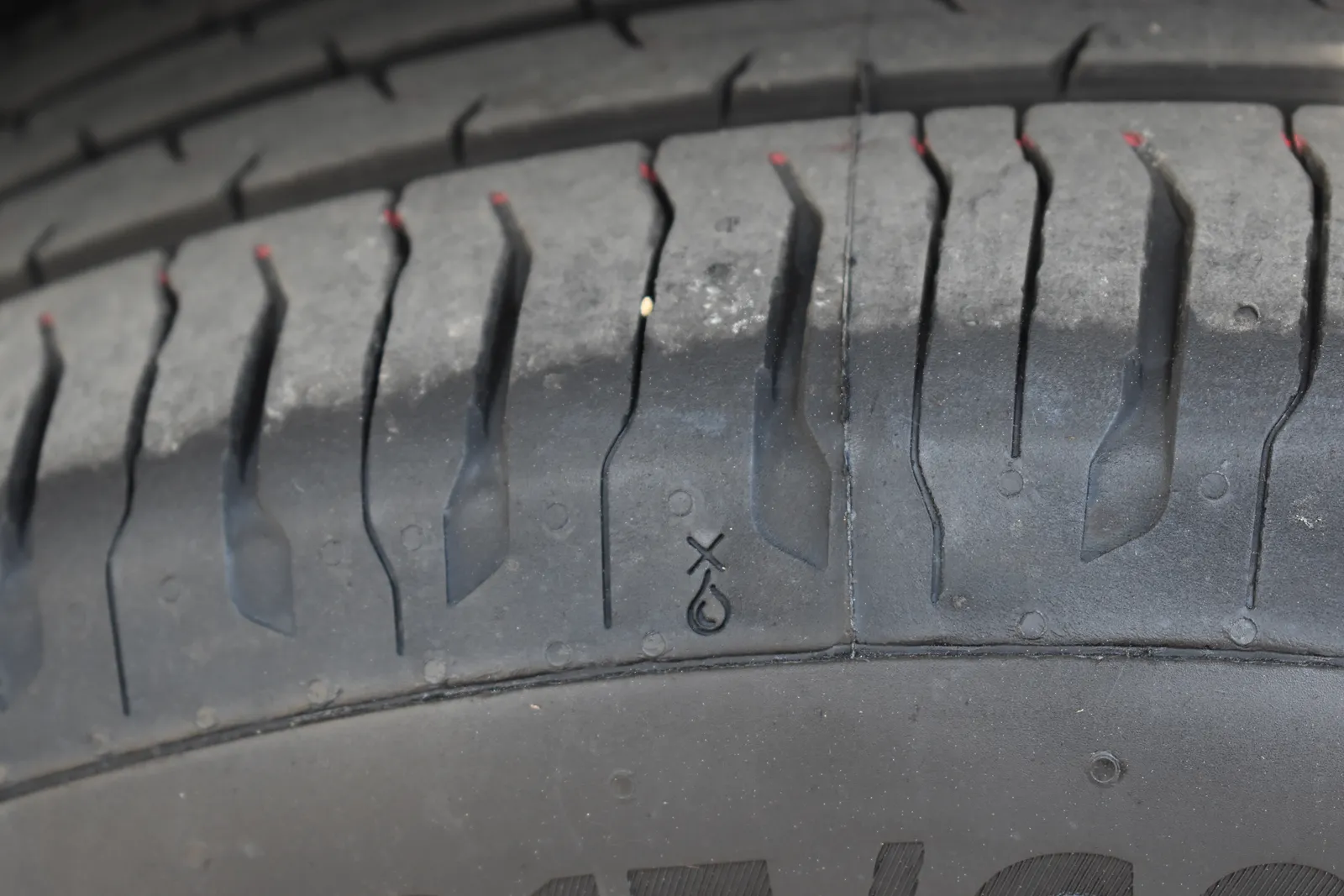
On a tyre sidewall, point out the mark of the tread wear indicator.
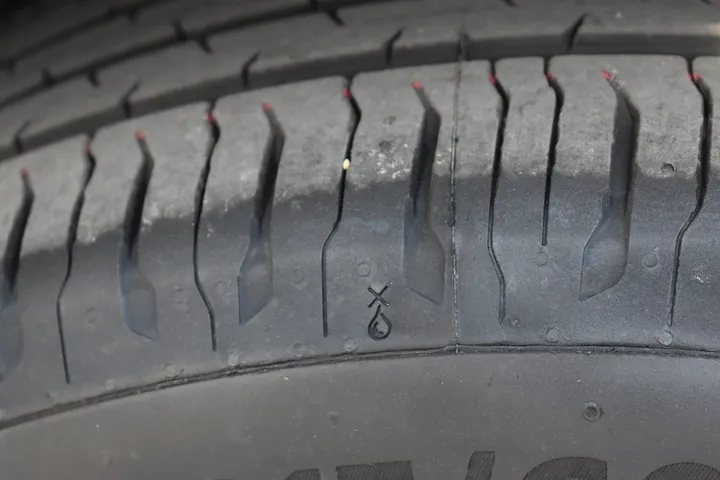
Card 32 and 84 – A tyre tread and its wear indicator Question What is aquaplaning, and what can it lead to?
AnswerA film of water between the tyre and the road, which can make you lose control of the car.
-
Card 34
Open the fuel filler flap and check that the cap is properly closed.
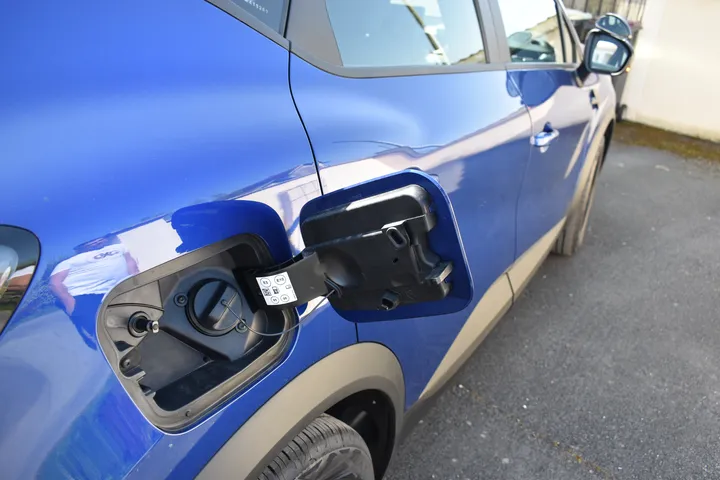
Card 34 – The open fuel filler flap Question What precautions must you take when filling the tank?
AnswerSwitch off the engine, do not smoke, do not use your phone.
-
Card 36
Show where engine oil is filled.
Card 36 – The engine bay with the bonnet open Question What is the main risk of too little engine oil?
AnswerDamage to the engine, or engine failure.
-
Card 38 and 86
Using the information plate, give the recommended rear tyre pressure with the car loaded.
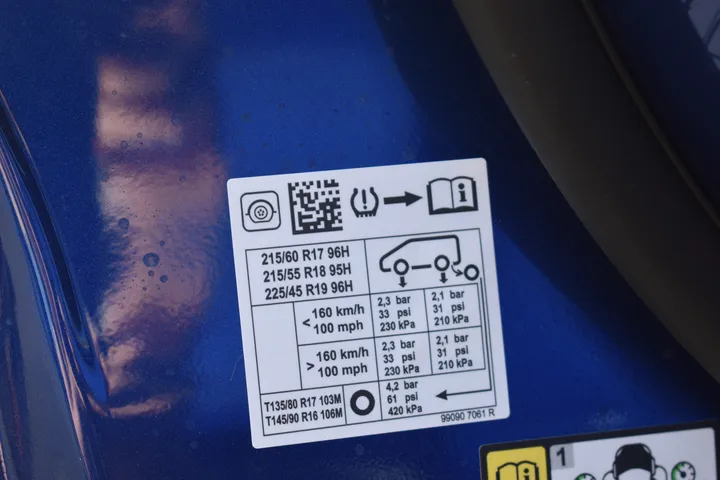
Card 38 and 86 – The tyre pressure plate on the door pillar Question How often should tyre pressures be checked?
AnswerEvery month in normal use, and before every long journey.
-
Card 40
Check that the rear number plate light works.
Any fault must be reported.
Question Does a faulty number plate light at the roadworthiness test (contrôle technique) mean a re-test?
AnswerYes.
-
Card 42 and 88
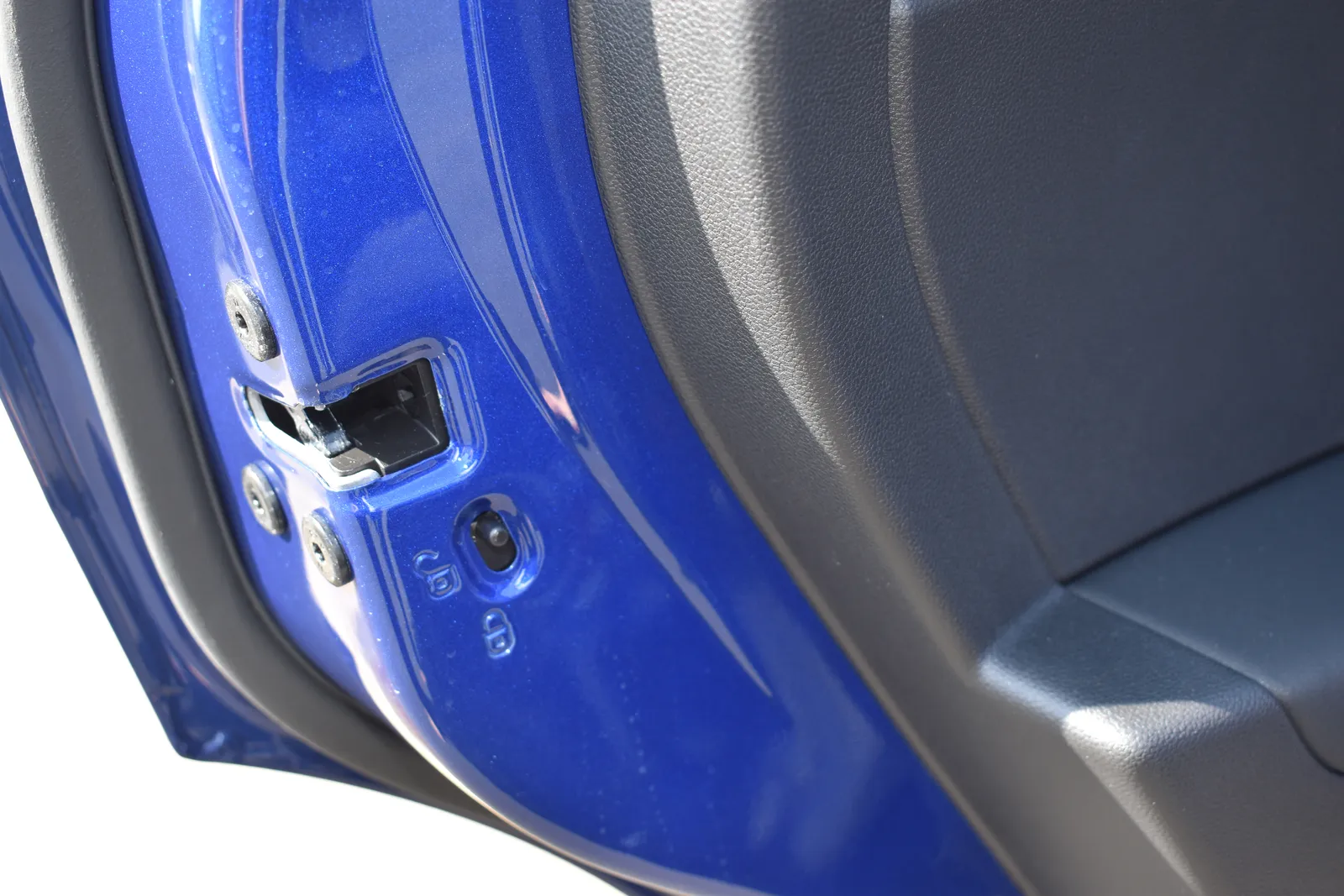
Show where the child lock is on one of the rear doors.
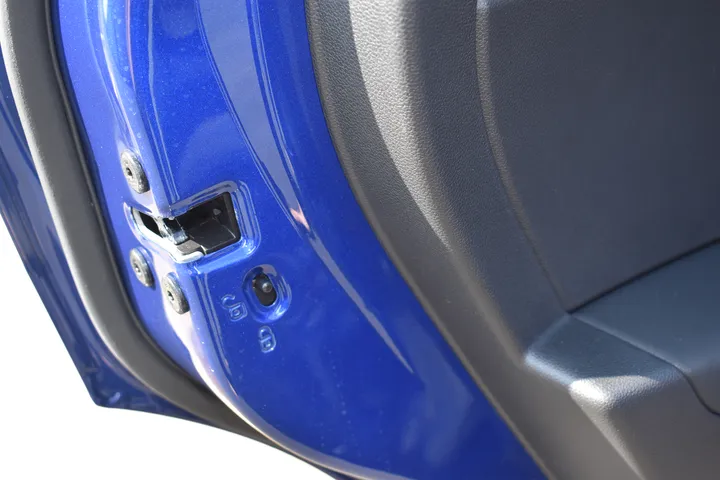
Card 42 and 88 – The child lock on the edge of a rear door Question With the child lock on, can the rear door be opened from outside?
AnswerYes.
-
Card 44
With the help of the accompanying person, check that the reversing light(s) are clean and working.
Switch on the ignition and select reverse, then check the reversing lights and say that they are clean and working (any fault must be reported).
Question What are they for?
Answer- To light up the area behind the car at night.
- To warn other road users of the manoeuvre.
-
Card 46 and 90
With the help of the accompanying person, check that the brake lights are clean and working.
Switch on the ignition and ask the accompanying person to brake, then check the brake lights and say that they are clean and working (any fault must be reported).
Question What happens if the brake lights fail?
AnswerDrivers behind are not warned, and there is a risk of collision.
-
Card 48
Open and close the bonnet, then check that it is properly shut.
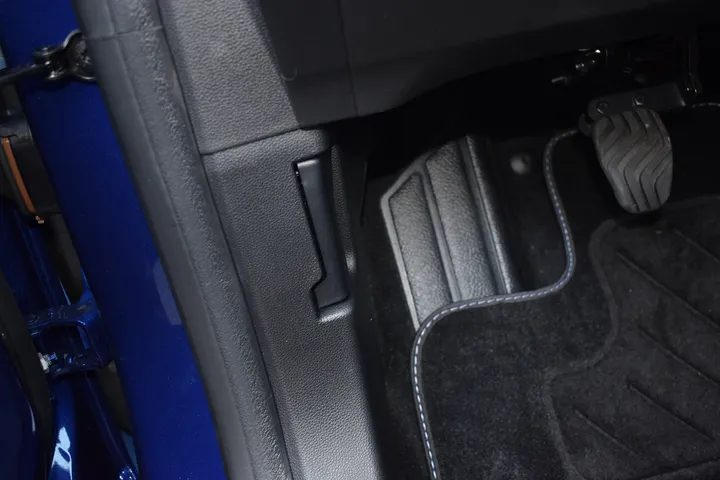
Card 48 – The bonnet open, then closed 
Card 48 – The bonnet open, then closed Question What is the risk of a badly closed bonnet while driving?
AnswerThe bonnet may open, which can cause an accident.
-
Card 50
Show the screenwash filler.
Card 50 – The engine bay with the bonnet open Question What is the main risk of running out of screenwash?
AnswerPoor visibility.
-
Card 52 and 92
Check that the daytime running lights are clean and working.
The daytime running lights come on when the engine starts: check that they are clean and working (any fault must be reported).
Question What are they for?
AnswerTo make the car more visible by day.
-
Card 54 and 94
Check that the warning triangle is in the car.
Open the boot and show the triangle.
Question Do you use the warning triangle on a motorway?
AnswerNo.
-
Card 56 and 96
Show where a front bulb is changed.
Card 56 and 96 – The engine bay with the bonnet open Question What are the consequences if a dipped headlight fails?
AnswerPoor visibility, and a risk of being mistaken for a two-wheeler.
-
Card 58 and 98
Show where a rear bulb is changed.
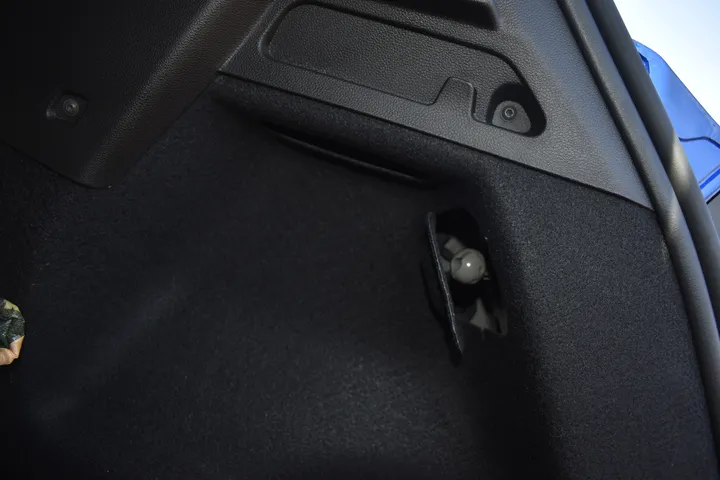
Card 58 and 98 – The access to the rear bulbs, inside the boot Question What are the consequences if a rear side light fails?
AnswerYou are hard to see, and there is a risk of collision.
-
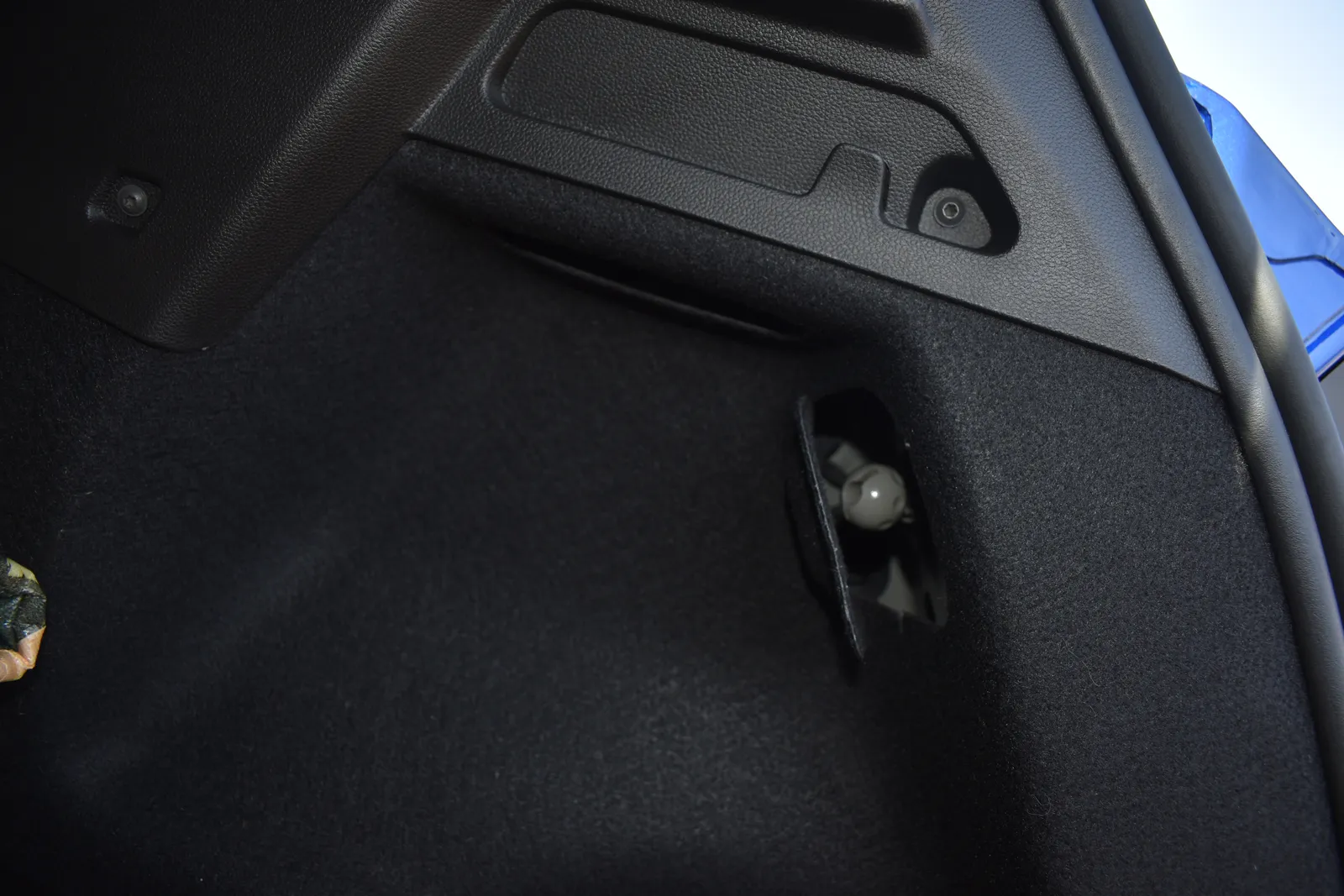
Card 60
Open and close the boot, then check that it is properly shut.
The boot release button is just above the number plate.
Question When you carry a heavy load in the boot, what should you do about the tyres and the headlights?
AnswerIncrease the tyre pressures and adjust the headlight height.
-
Card 62
Open and close the boot, then check that it is properly shut.
Question What are the risks of driving with objects on the parcel shelf?
AnswerPoor rear visibility, and objects thrown forward in hard braking or a collision.
-
Card 64
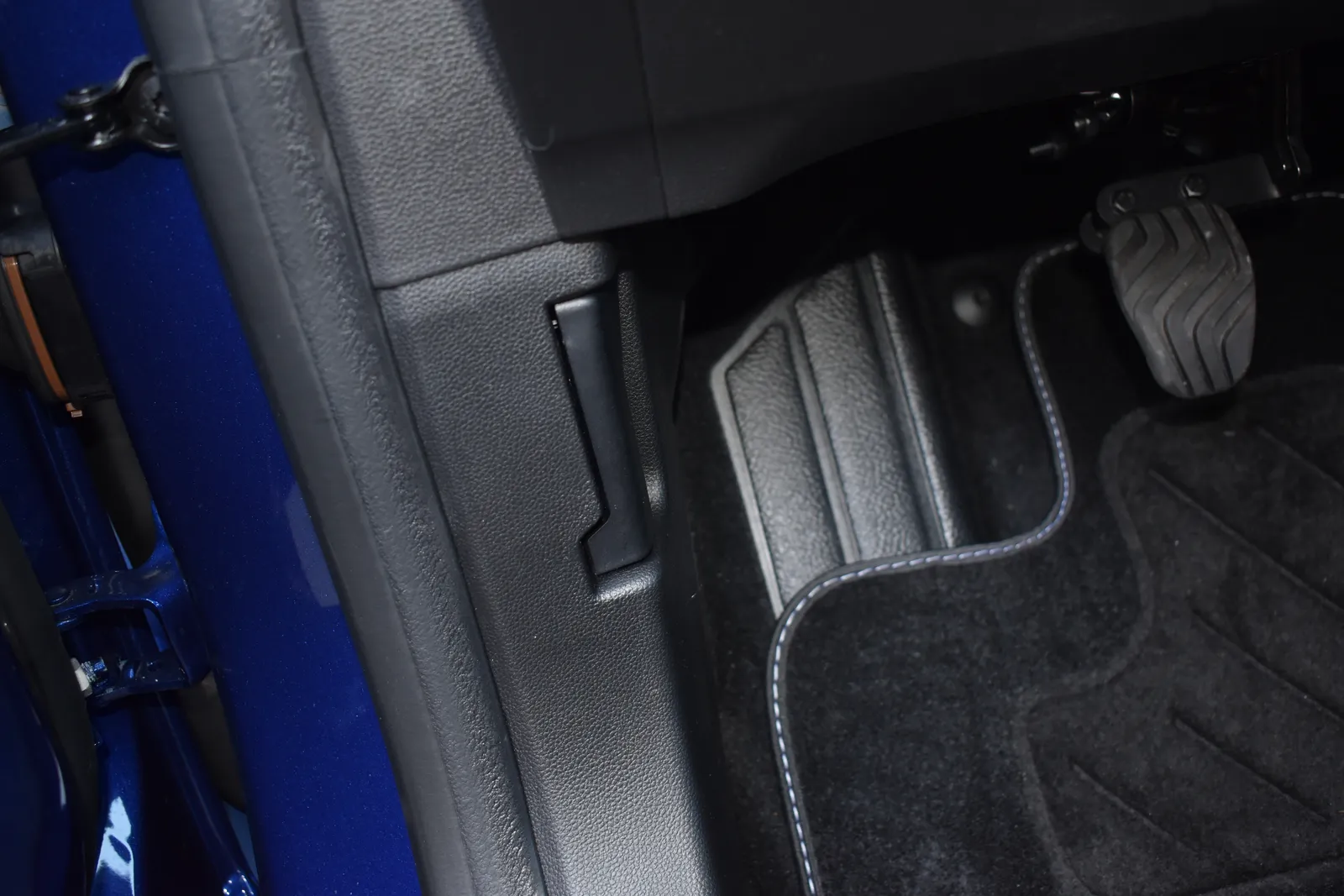
Open the bonnet, then close it, making sure that it locks.
Question For a bonnet that opens from the front, what is the safety catch for?
AnswerTo stop the bonnet opening while driving if it is not properly locked.
-
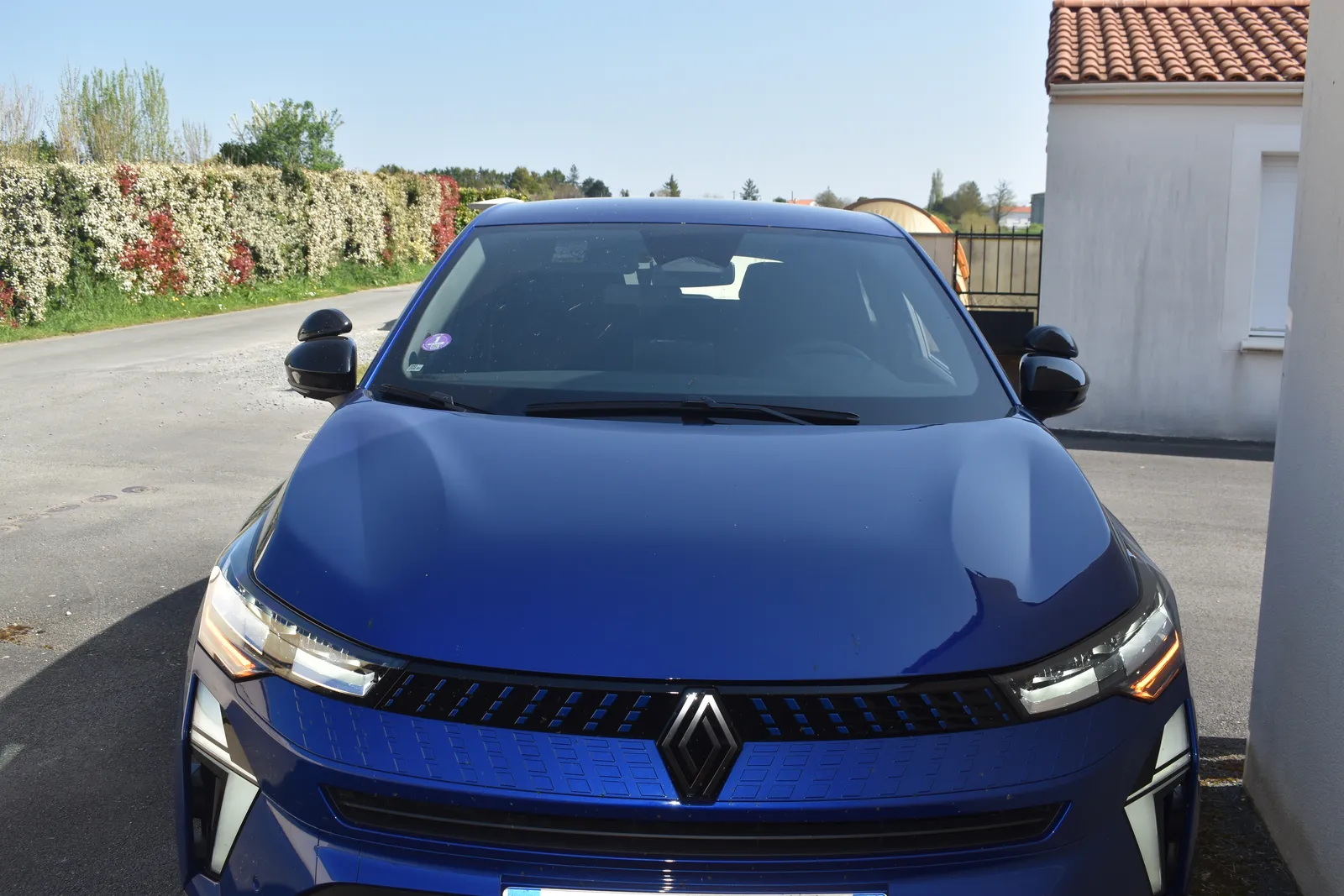
Card 66 and 00
Show where the screenwash jets are.
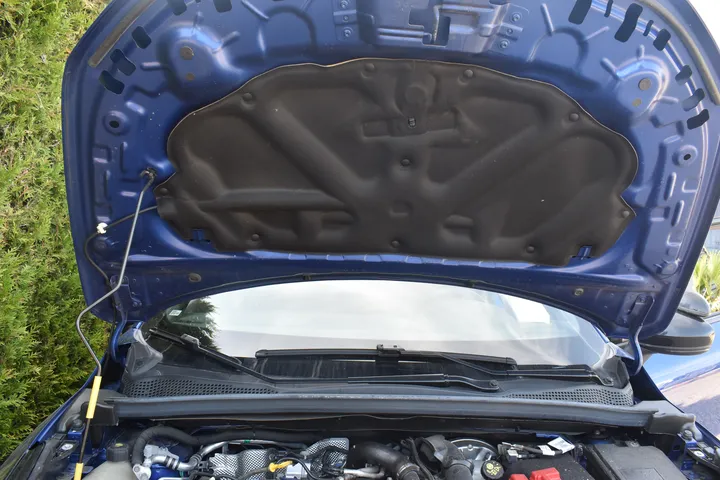
Card 66 and 00 – The open bonnet and the screenwash jets Question What is the main consequence of a faulty screenwash system?
AnswerPoor visibility, as the windscreen cannot be cleaned.
Preparing for the test
A question, or ready to enrol?
The office answers by phone or in person at 20 rue Albert 1er.